

Part 2 of The Power of Presence: Driving Authentic and Inclusive Storytelling
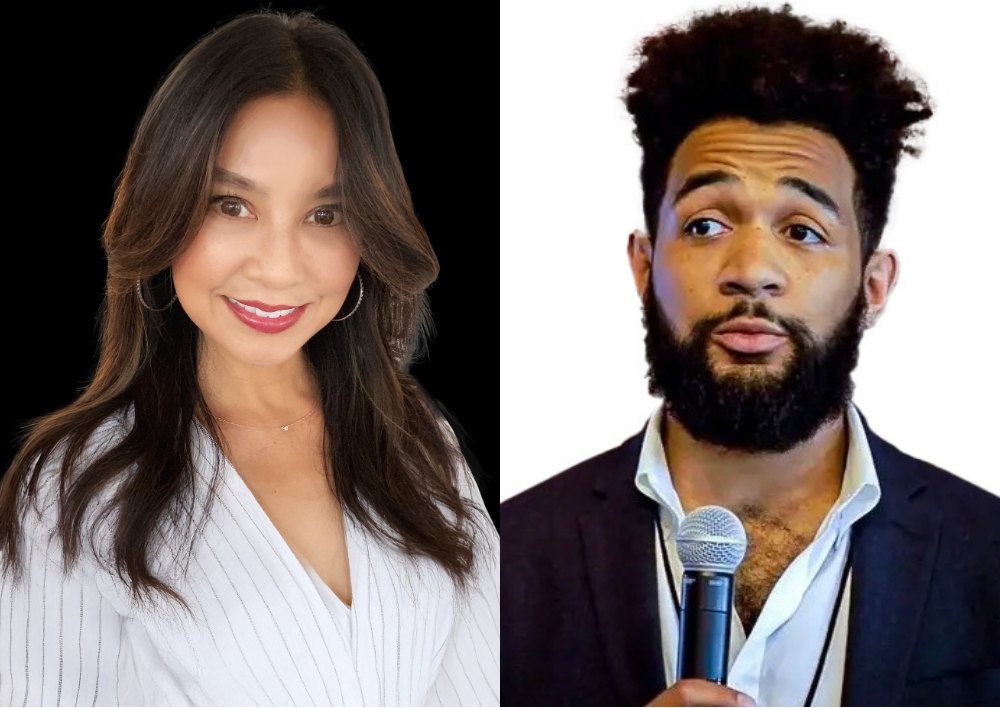
Contributors: Zachary Walker, Highwire; Fermina Phillips, OACC
Be sure to check out Part 1 of this interview with Fermina Phillips of OACC here.
Part 2
Brands today don’t just communicate; they connect and engage. However, participation without authenticity and cultural fluency is a recipe for falling flat. As the call for authentic inclusivity grows louder, savvy leaders are moving beyond performative gestures, embracing practices that embed inclusivity into the core of their businesses. This shift not only strengthens their workforce, but also paves the way for meaningful and sustainable growth.
This is the second part of the co-authored and is the latest contribution to our ongoing digital dialogue with Highwire’s community partner, the Oakland Asian Cultural Center (OACC). It highlights the power of candid discussion and collective learning. Fermina Phillips, OACC board member & branding marketing advisor, joins forces with Zachary Walker, Highwire’s VP of Social Media, to share invaluable strategies and insights rooted in cultural fluency and inclusive communication. Together, they explore the art of inclusive storytelling, offering communications and creative leaders practical guidance on striking the right tone while building meaningful connections.
3. What challenges do communications and creative leaders often face when trying to strike the right tone, and how can they navigate those moments thoughtfully?
Fermina: Crafting communications for multiple audiences is a common challenge. We strive to create messages that resonate with AANHPI community members by using specific, authentic language, while simultaneously providing clear context and background to the broader public audience.
To navigate this, our brand voice acts as our compass: communication must be warm, inclusive, and empowering. By maintaining a tone that is always approachable, celebratory, and educational, we foster connection and inspire curiosity, ensuring our message invites people of all backgrounds into the conversation.
By balancing cultural fluency with broad accessibility, OACC aims to inspire a sense of belonging within its community.
Zachary: The primary challenge is the gap between speed and effectiveness, especially in high-stakes environments. What's that saying about the golden rule? “Things can be Fast, Cheap, or Good, pick two.” The same can be said for anything creative.
On social media, where trends can often appear seemingly out of thin air, there's pressure to participate immediately (e.g. the viral sensation sparked by TikTok creator Jools Lebron, who championed the virtues of being “demure” and “modest”). But, when it comes to connecting with diverse audiences, there's a greater risk of misinterpreting cultural nuances. As partners to our clients, it's crucial to balance this speed with the precision of our overall message, ensuring we communicate their brand narrative thoughtfully and effectively.
Beyond speed, another major challenge, particularly in the agency world, is representation behind the curtain. While I am proud to be a marketing leader of color, representation gaps persist in our industry. Organizations like the ANA consistently share reports illustrating that people of color are underrepresented in leadership and creative roles within advertising and marketing agencies. If the teams creating the work aren't diverse, they will inevitably face blind spots. This underlines the importance of diverse representation in creative roles, making our audience feel enlightened and aware of the need for change.
4. Looking ahead, what advice would you give to marketing and communications professionals who want to authentically embed inclusivity into their everyday practice — not just campaigns?
Fermina: Based on my experience at OACC, here are a few ideas to use to authentically embed inclusivity into communication in everyday practice:
Community-Led Creation: For cultural storytelling, position your organization as an amplifier, not the author. Ensure the narratives, language, and tone are developed by the people whose culture or experience is being featured. This transfers ownership of the story and ensures immediate authenticity.
Address Multiple Audiences: When crafting a message, actively consider the needs of both the cultural insider, who needs authenticity, and the broader public, who needs context and clarity. Successfully balancing these demands ensures your message is both respectful and accessible.
Acknowledge Intersections: Recognize that no individual is defined by a single category. People hold multiple identities (e.g., a Filipino woman who is also an artist and a mother). Your communications should reflect these intersecting identities to represent the full, nuanced humanity of your community.
Zachary: Authenticity is built through consistent action, not occasional campaigns. It's not a switch that can be turned on when an ask comes to deliver a narrative that will resonate with a diverse audience.
My advice is rooted in leadership and eternal curiosity.
First: treat diversity as a strategic capability by embedding cultural fluency requirements across every aspect of the organization, from every brief to every KPI established and every hiring decision. This means going beyond the action of hiring diverse talent to ensure that every team member is equipped with the cultural knowledge and sensitivity needed to effectively communicate with — and understand — diverse audiences. The recognition that diverse perspectives are an agency's competitive edge is a must-have, not a nice to have.
Second: workforce diversity is positively associated with higher business performance outcome measures. Racial diversity is positively associated with higher performance in organizations that integrate and leverage diverse perspectives as resources for product delivery. And gender diversity is positively associated with more effective group processes and performance in organizations with people-oriented performance cultures.
But here's the critical point: we must move beyond checking the boxes of race and gender. True diversity requires us to center and amplify its more nuanced dimensions: socioeconomic background, neurodiversity, lived experience, generational perspective, and cultural fluency, to name a few.
For example, two individuals may share the same racial identity but bring vastly different insights based on whether they grew up in an urban or rural environment, or whether they're first-generation Americans or lifelong citizens. Similarly, a neurodiverse team member may approach problem-solving in ways that unlock creative breakthroughs that others might miss.
And lastly: I will forever be a student of culture. As a lifelong learner, I know that my job as a marketer isn't static. Therefore, I prioritize setting time aside each week to continue learning about social media platforms as well as the niche communities within them.
Something that's helped me in my professional career and something that I discovered thanks to a former boss of mine is exploring Driscoll's "What Model?" developed by John Driscoll in the mid-1990s. To ensure you are constantly learning and adapting, ask yourself the following:
"What?": What is the cultural trend or insight that we've uncovered?
"So what?": Why is it essential, or how does it affect your target audience?
"Now what?”: What action should you take based on this insight? Your growth as a marketing leader is directly tied to your willingness to evolve with the culture you seek to influence.
This "What? So what? Now what?" model is more than just a professional tool for me; it’s a personal mindset. It’s the framework I use to hold myself accountable as a leader and a lifelong learner.
Final Thoughts:
The future of marketing and communications will be defined by those who lead with genuine cultural fluency — those who see, value, and embed the full spectrum of lived experience into their work. By treating inclusivity as a core capability, and curiosity as our most valuable asset, we can create work that doesn't just resonate, but truly matters. We hope these insights provide a clear path for all of us to move beyond performative gestures and build the authentic, resonant, and truly inclusive work our industry and communities need.
About Our Contributors:
As a person of color and marketing leader, Zachary is thrilled to share his unique perspective on leveraging social data and personal experience to build truly equitable and effective communications. Zach’s success leading the social media strategies of iconic brands like Oscar Mayer, Kool-Aid, and Chamberlain has afforded him the opportunity to speak at several business and networking events over the years, including Social Media Week, the SocialRock Conference, multiple virtual panels, and marketing–related podcasts.
Fermina is passionate about brands, people, and products who lead marketing with innovation and social conscience. As a member of the APIA community, she seeks to contribute to cultures that foster diversity, open communication and respect.
The Power of Presence: Driving Authentic and Inclusive Storytelling
Contributors: Zachary Walker, Highwire; Fermina Phillips, OACC
Part 1
1. When you think about inclusive storytelling, what does “community first” mean to you, and how does it shape the way you approach communications?
Fermina: At the OACC, "community first" means our storytelling originates from the community. It’s a commitment to prioritize and amplify the authentic voices, needs, and diverse perspectives of the people we serve — viewing our artists, cultural practitioners, and audiences as one interconnected community.
This approach is the foundation of our programming and communications strategy. Instead of leading with our organization's brand, we lead with the community's stories. When we invite performers and presenters to participate in programs or exhibitions we do not make suggestions or edits. We want the artists to lead the process, so there is authenticity in what they present.
For example, our communication for the Oakland Ilokana film premiere centered on the power of preserving a Filipina grandmother's oral history. When promoting our annual Lunar New Year x Black History Month event, our messaging highlights the artists and traditions that embody Asian and African-American solidarity.
Zachary: To me, "community first" is the strategic anchor that shifts communication from broadcasting to belonging. This shift is not just a change in strategy, but a new way of understanding audiences in an ever-changing digital world. It's recognizing that the people you're trying to reach aren't just consumers; they're individuals who are exposed to influential voices and culture-makers daily. As marketers, our job is to help our clients get their message to resonate through the noise. This approach not only fosters a sense of belonging but also inspires and motivates the audience to take action. And, as we know from consumers, America's population is becoming increasingly multicultural, reflecting a growing trend toward greater diversity and cultural pluralism. In fact, this recent Forbes article reported that "only 26% of African-Americans, 10% of Hispanics and 3% of Asians feel represented in advertising."
Part of this may be because recent data suggests that 85.4% of the ad industry comprises White advertising professionals, many of whom appear to be simply reflecting their own experiences and subconscious biases in the campaigns they create. This approach is problematic, as it often overlooks the diverse perspectives and lived experiences necessary to create truly inclusive campaigns.
Consumers form deeper connections with brands when they feel seen and understood through advertising. Conversely, when consumers feel consistently excluded, underrepresented, or misrepresented, it breeds negative sentiment toward a brand. This emotional response directly impacts brand loyalty and purchasing decisions, making authentic representation not just a moral imperative but a business necessity.
In my work at Highwire, and across our clients in various industries, this means our strategies are built on listening to our target audiences first, so we can craft messages that connect with them. We treat the most popular social platforms not just as distribution channels, but as real-time research labs. This is essential, because consumers are primarily using social media platforms to form and share opinions, which means brands must meet them there with respect and nuance.
This audience-first? approach ensures that our clients' campaigns don't just speak to a community; indeed; they are truly of that community, driving genuine engagement and brand affinity. Conversations are a two-way street, so as much as we want our target audience to hear our narrative, we have to be willing to listen to what they have to say.
2. In your work with OACC/Highwire, what are some concrete practices you use to ensure cultural fluency and authenticity in storytelling?
Fermina: To ensure cultural fluency and authenticity, our practice relies on two core principles: artist-led creation and prioritizing native terminology.
At OACC, we view our role as one of amplification, not authorship. This means all OACC storytelling is developed by the featured artists and cultural practitioners themselves, which serves to uplift a wide range of authentic AANHPI voices. For example, when planning our Hawaiian Arts and Culture Day, Native Hawaiian artists developed the entire program content. We then ensured all our communications — from social media to press releases — used accurate Hawaiian language to describe the programs shared.
Using the correct, specific native terminology is a fundamental sign of respect and the cornerstone of authentic communication. This collaborative process ensures the narrative always originates directly from the community.
Zachary: At Highwire, the fiercely distinct approach that has helped our clients is structural and data-driven–ensuring authenticity isn't left to chance. We typically rely on three core practices. This emphasis on data-driven practices reassures our clients and audience that our storytelling is not just authentic, but also effective and impactful:
Audience-Specific, Platform Strategy: Authenticity on LinkedIn differs from that of TikTok. Our clients are often industry innovators. We adopt an 'educate, entertain, and/or inform' approach, defining a platform-native POV (Point of View) for each social media platform. More strategically, we recognize that inclusive storytelling is a revenue driver. An ANA/AIMM study of over 1,000 brands found that brands with substantial diversity in their advertising see a 45% increase in brand trust among diverse audiences, which translates directly into performance and ROI.
Insight-Driven Hypotheses and Storytelling: As a member of our agency’s Integrated Solutions team, I’m excited to work closely with our Insights and Analytics department to prioritize grounding every idea in a verifiable cultural insight rather than just a broad demographic target. This involves translating conversations gathered through social listening into a compelling narrative that will resonate in the short time we have their attention. For instance, utilizing vocabulary that's popular among Gen Z consumers (i.e. “No cap” or “bussin” to express excitement about a new product). We used this 'nugget' to create a campaign that resonates with this audience. The key is to uncover the 'nuggets,' or insightful trends, and turn that story into digestible, actionable content for our clients.
Diverse Creator Ecosystems and Governance: Authenticity must be delivered by authentic voices. Our influencer marketing practice helps clients who are actively looking to build relationships with creators who authentically represent their communities. This means not just finding influencers with large followings, but those who truly embody the values and culture of the community they represent. This could look like partnering with a more micro influencer whose audience comprises mainly a diverse audience that is genuinely engaged, instead of choosing a macro influencer whose audience is made up of several sub-target audiences. According to recent findings by Adweek, campaigns that successfully tap into diverse creators, particularly those from underrepresented communities, see significant increases in credibility and engagement. This underscores the importance of representation and the value it brings to our clients — especially for organizations with a global footprint.
About Our Contributors:
As a person of color and marketing leader, Zachary is thrilled to share his unique perspective on leveraging social data and personal experience to build truly equitable and effective communications. Zach’s success leading the social media strategies of iconic brands like Oscar Mayer, Kool-Aid, and Chamberlain has afforded him the opportunity to speak at several business and networking events over the years, including Social Media Week, the SocialRock Conference, multiple virtual panels, and marketing–related podcasts.
Fermina is passionate about brands, people, and products that lead marketing with innovation and social conscience. As a member of the APIA community, she seeks to contribute to cultures that foster diversity, open communication and respect.
Be sure to check out Part 2 of this interview with Fermina Phillips of OACC here.
My Time On Winfluence Influencer Marketing Podcast
Thanks to a connection, my path finally crossed with Jason Falls, author and the host of the Winfluence podcast. After getting to know each other, I was grateful to get a chance to talk about influencer marketing on his podcast. If you’ve been in the industry for as long as I have, you’ll get to meet many outstanding professionals. And just going through Jason’s list of guests, I’m honored to be one of the newer additions.
Check out two clips from our conversation below. And for the whole interview, check it out on YouTube or wherever you listen to your favorite podcasts.

How I Leverage My Thought Leadership To Increase Reach & Engagement
Are you seeking a new marketing strategy to increase your reach and engagement? In today’s blog post, I’ll talk about a strategic concept when it comes to creating content as a subject matter expert. Specifically, the Hedgehog Concept by Jim Collins. The Hedgehog Concept is a powerful approach that leverages thought leadership to help you reach a wider audience and boost engagement.
Are you seeking a new marketing strategy to increase your reach and engagement? In today’s blog post, I’ll talk about a strategic concept when it comes to creating content as a subject matter expert. Specifically, the Hedgehog Concept by Jim Collins. The Hedgehog Concept is a powerful approach that leverages thought leadership to help you reach a wider audience and boost engagement.
This blog post will discuss why this strategy is so effective and how it can help you become a thought leader in your field. I’ll also provide practical tips on creating effective content and strategies for promoting your blog and brand on social media. By the end of this post, you will better understand the Hedgehog Concept and how it can help you increase your reach and engagement.

Finding ways to repurpose my speaking opportunities into shorter, digestible content. With a tool like Go.Charlie., I truly have a content creator’s best friend and repurpose video footage of my talks, into blogs and Twitter threads.
Creating Effective Content For Business Success
Creating content for your business is an essential part of any successful strategy. However, many businesses need help creating content that resonates with their audiences. According to a recent study by Content Marketing Institute (CMI), 45% of marketers say they struggle to create content that is both useful and interesting to their audience. This is partly because most businesses focus on what they know best instead of embracing a hedgehog concept – which means focusing on what they know best and delivering excellent value.
The book Good to Great by Jim Collins introduces the Hedgehog Concept. A concept that flows from a deep understanding of three circles: 1) what you are deeply passionate about, 2) what you can be the best in the world at, and 3) what best drives your economic or resource engine. Applying it to writing, the goal is not best writer in your field. It’s an understanding of identifying what you are good at, and leaning into that. We all have a unique story to tell based on our experiences, personal and professional. And by telling that authentic story, you can find your tribe.
By embracing a hedgehog concept, businesses can focus on delivering detailed buyer personas, segmenting the audience, becoming a thought leader by leaning on Google’s EAT (Expertise, Authority and Trust) principles, and making content shareable. In addition, thought leadership can be leveraged to change perceptions for the better in addition to being more trustworthy than marketing materials. By taking these steps, businesses can utilize their employees to help increase their content's reach and impact while engaging their target audience more effectively.
Strategies For Promoting Your Blog
You can find ways to increase your blog’s reach by utilizing social media as well. Having a social media presence is the first step, but you can also incorporate tactics to help. Bloggers everywhere are using social media to promote their blogs. In fact, according to a study by BrightLocal, 69% of bloggers use social share buttons on their blog posts. This is an effective way to ensure that your blog content reaches your target audience and makes it easy for them to share it with their respective audiences as well.
Instead of trying to develop supplementary products or services that will drive traffic, focus your energy on developing well-researched and unique products or services that stand out from your competitors. By identifying the topics that are driving the most clicks to your website, and writing content around that, you'll truly be tapping into your audience’s interests. This will put you in a better position to succeed over time, resulting in more eyeballs on your thought-leadership content. And lead to increased website traffic, higher search engine rankings, and building affinity with your audience.
Be sure to publish your blog content on LinkedIn. It's a great platform to become a thought leader in your local community and overall industry by engaging with your current and future LinkedIn connections. It's also an opportunity to share your organization’s culture with potential customers, partners, and future employees.
When thinking about what type of content lives best on LinkedIn, a recent platform survey said 44% of respondents said the last piece of content they read on LinkedIn was straight to the point, and provided real value to businesses in their industry.
Final Thoughts
By leveraging your thought leadership as a subject matter expert, you can increase your overall reach and engagement through blog content that resonates with your target audience. Over time, you can position yourself as a trusted source of information. Furthermore, social media, like LinkedIn, can be used to promote your blog and personal brand to reach more potential customers. Be sure to consider how the Hedgehog Concept can be used to identify what your niche is, so you can focus your content efforts on that.
Looking for more ways you can amplify your social media efforts, be sure to check out one of my freebies to help you and your brand.

How I View The World of Work
For an upcoming interview with Morning Brew’s education arm, Learning Brew, I shared two potential topics to discuss and some thoughts on both. The first was about my time as a marketer in the cannabis industry, and the second was about my thoughts on all things related to professional work in 2023. We ended up going with the former, but I wanted to share some of the highlights with you from the latter. More below:
If you’re new to my website, you can also download one of my freebies to help with your social media marketing efforts.
Remote Work Is Here To Stay
Saying it louder for those in the back, but remote work isn’t going away. Every role and industry is different, but after working nearly three years straight in fully-remote roles, I don’t see myself or others like me returning to anything less than hybrid roles. If you want the best talent, provide the best work environment for that talent.
Quiet Quitting over Quiet Firing
If you’re concerned with “quiet quitting,” maybe focus that energy inward to understand why employees would do that. Professionals often leave because they feel undervalued, underpaid or see no path forward for their careers (or a combination of those three).
Even though companies are laying off employees at an unprecedented rate, know that economists still view it as an employee’s market. So be sure to know your value and what you bring to an organization. And find ways to work for organizations that align with your views of the world and how work can be done. Having a life and bring value to an organization through your skills are not mutually exclusive.
“Change what you can, and deal with what you can’t.” -
Last but not least, you may not be able to change your customers, clients, or colleagues but you can change how you do the work. In our weekly touch base, I ask my team members, “If you were in my shoes, what would you differently?” This was something I learned during Learning Brew’s Leadership Accelerator, and the goal is to provide my team the opportunity to call out inefficiencies, challenges, and other issues when it comes to our work, that I may not have full visibility into.
Looking for more social media and influencer marketing news worth using? You can read more of my writing, covering my favorite social media tools to use, like GoCharlie.ai. and more deep dives on specific topics on my blog.
And thank you for your time and thoughts!

Why I Started A Cohort-Based Class For Social Media Professionals
As a subject matter expert, I enjoy sharing my experiences and turning them into actionable insights. This is why I'm proud to announce I'm launching the 1st cohort of my Maven class: "SocialMedia Skills To Master.
Whether you work at an agency or are on the brand side, there is always an ask to connect better with one's target audience. Easier said than done, right?
The latest data from Social Media Week stated that the average attention span of consumers is roughly 2.5 seconds.
How can we, as digital marketers connect authentically with a consumer when you have the same time it takes for a human to take a breath?
So I set out to create a class at "Social Media Skills To Master” at Maven to help those working daily to succeed on #SocialMedia.
I've been fortunate to work on iconic brands like Oscar Mayer, Clorox, Kingsford, Burt's Bees, Triscuit, and Kool-Aid to develop and execute social media content strategies that have reached millions of consumers across the globe.
But I've also applied those strategies to challenger brands and small businesses.
Leading to speaking opportunities at Chicago Social Media Week, SocialRock Conference, and most recently, partnering with @bipocann and Colorado's Office of Economic Development.
This cohort will get started on 11/3 and includes four weekly sessions, ending before the holidays.
Have questions? Ask away but be sure to check out the FAQ here.
